By Lauren Fisher, Hunger Relief Program Manager
The Hunger Relief warehouse is nearly always bustling with incoming and outgoing food. While most folks see the distribution side of our operations and the movement of food, few see the hours of coordinating that go into our diverse sourcing strategy. Building a resilient Hunger Relief program means cultivating various inlets for food sourcing, each serving a distinct but vital role in helping families put healthy meals on the table. Our supply chain includes donated, rescued, and purchased food from a variety of sources including Food Bank Partners, Grocery Retailers, The Tahoe Food Hub, and Community donations.
Retail food rescue currently represents around 50% of the total food distributed. Through partnerships with local grocery stores and retailers, we recover food that would otherwise go to waste. These partnerships provide mainly baked goods, frozen meats, ready-to-eat, dairy and eggs, non-perishable groceries- and to a lesser extent, produce. Food rescue has several complementary outcomes: it reduces waste, supports environmental stewardship, and helps stretch limited hunger relief resources. However, food rescue has its limitations. The availability of rescued food depends on what retailers have in surplus at any given time. Some weeks bring an abundance of certain items, while others leave gaps in categories essential for balanced meals.
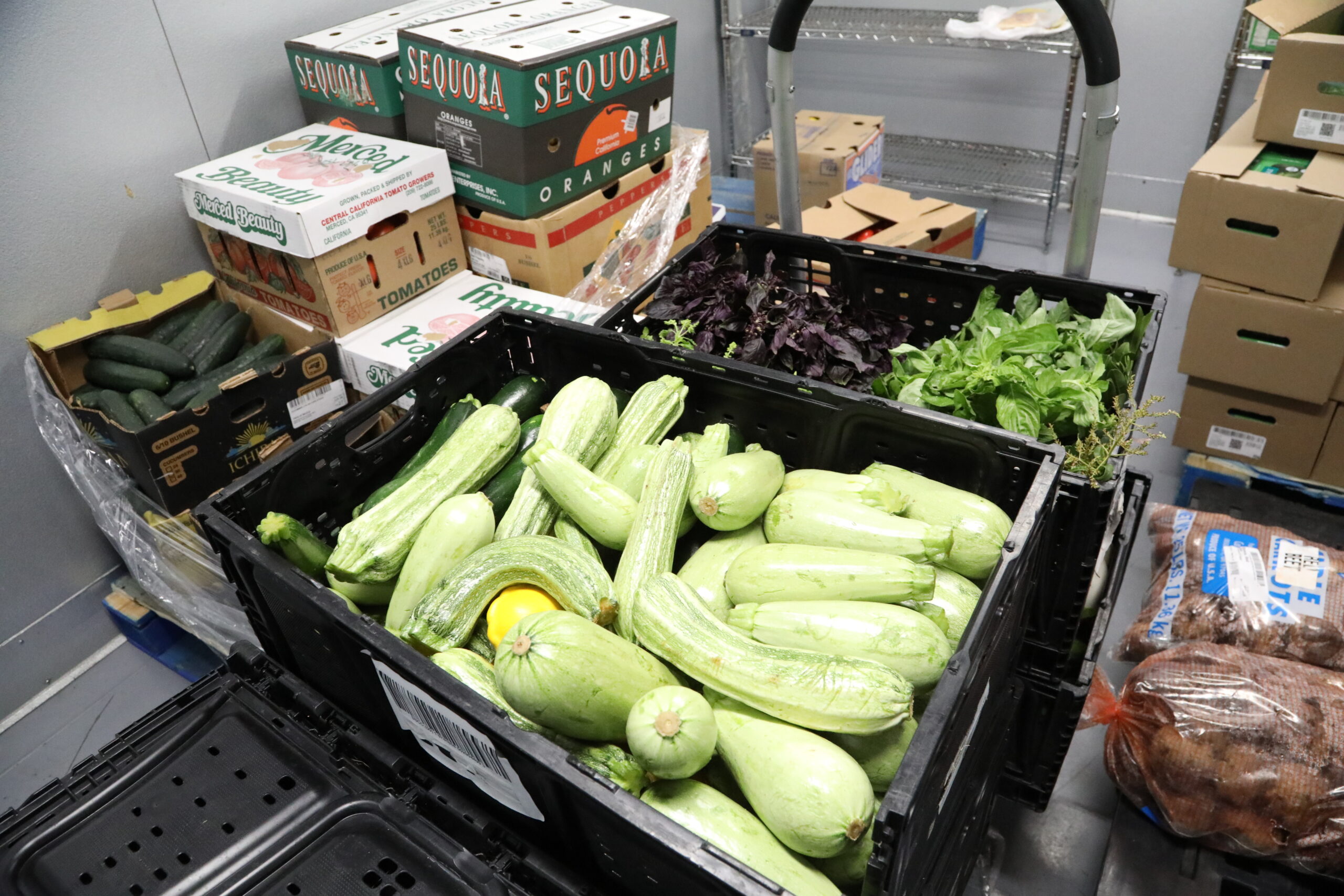
When we purchase from local farmers through the Tahoe Food Hub, we gain the ability to intentionally source fresh fruits and vegetables, culturally relevant produce, and seasonal items. These items are a central aspect of making nutrition accessible. This helps ensure that families have access to a broader range of nutrient-dense foods that support long-term health and well-being.
Importantly, food rescue and local farm purchasing are complementary tools that strengthen one another. Food rescue offsets a significant portion of grocery costs, and that savings allows us to invest strategically in local farm purchasing, creating a more balanced and complete selection of foods for the families we serve. This diversified approach also builds resilience into our program. Relying too heavily on any single food source leaves hunger relief organizations vulnerable to disruptions, whether from supply chain changes, shifts in donation patterns, economic pressures, or seasonal fluctuations. By maintaining a mix of rescued food, local farm partnerships, community donations, and food from our Food Bank partners, we ensure that support remains available when community members need it most.
The benefits extend beyond our food distributions. Purchasing from local farms keeps food dollars circulating within our regional economy and helps support agricultural producers who are themselves navigating increasing costs and uncertainty. These partnerships reinforce the interconnected nature of community well-being: when local farms thrive, our local food system becomes stronger, and community members gain access to fresher, healthier food.
The future of sustainable food distributions lies in diversification. Food rescue and local farm purchasing each play a distinct role, and together they create a stronger, healthier food system for our community. Monetary donations help make that balance possible, giving us flexibility to purchase what our shelves are missing and respond quickly when needs shift. A strategic and diversified approach to food sourcing is what allows us to consistently ensure that every family has reliable access to nutritious food today, while building a more sustainable model for tomorrow.
Recent News