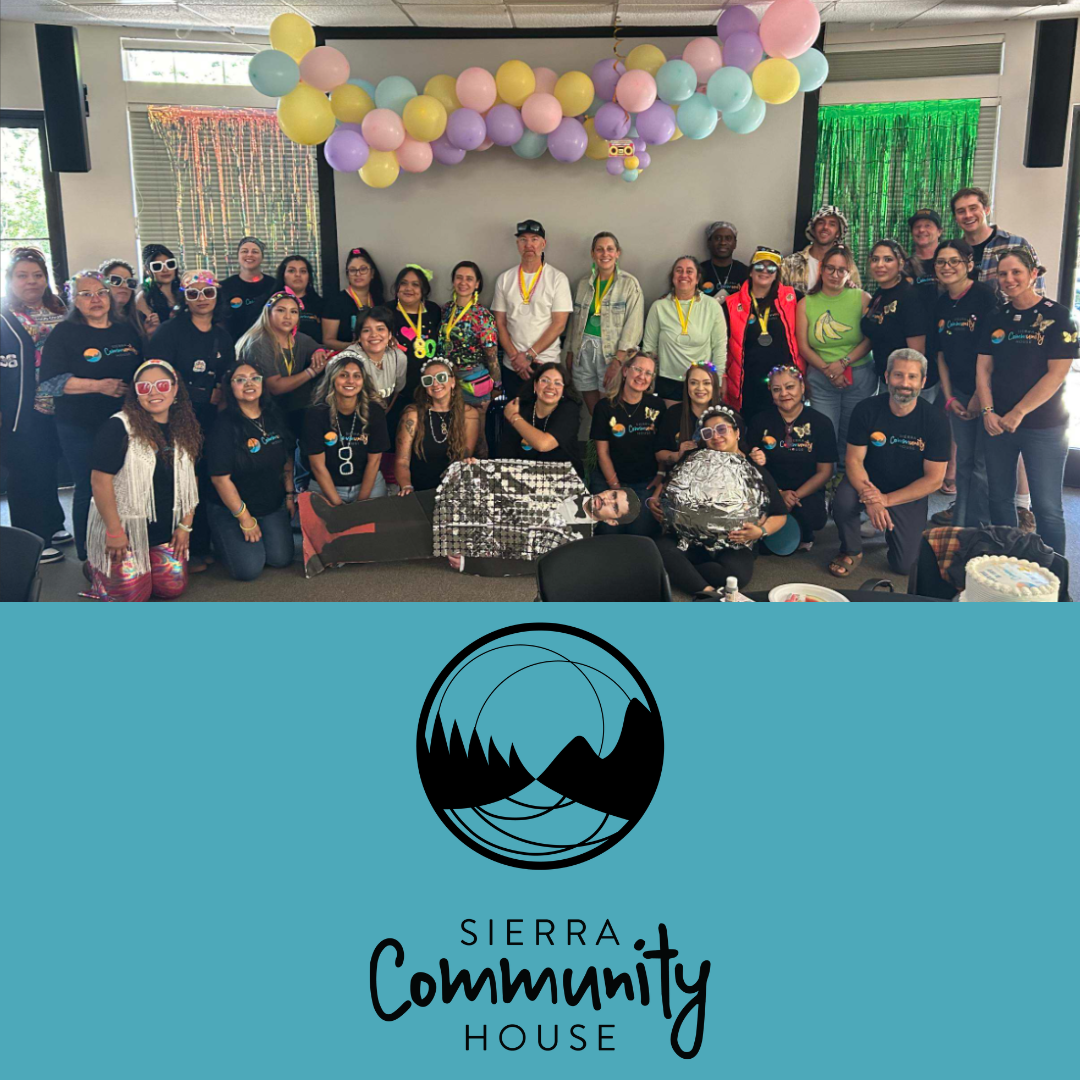
Last week, we had the pleasure of presenting at the 46th Annual California Association of Superior Court Investigators (CASCI) Conference. Our Community Engagement Prevention Team, guided by Dominique Apollon, Community Education and Prevention Manager, and Ashley Duke, School-Based Prevention Education Coordinator, facilitated a conversation on Intimate Partner Violence and how SCH provides Legal Aid and peer support to victims of crime as they navigate the courts while experiencing the trauma of domestic violence. They presented to a group of about 25 lead investigators from across California.
SCH showed up as experts in the field of domestic violence. In fiscal year 2024–2025, we assisted 505 community members with 2,123 legal services, including Immigration Law, Family Law, Landlord-Tenant Law, Employment Wage Law, and other civil legal issues. We bring a perspective that is unique and distinct from many of our neighboring California towns and cities. Our service area spans 4 counties and 2 states, connected by long highways where resources are scarce, and access can be hindered by harsh weather and difficult terrain. SCH leverages strong partnerships and competitive grants to help bridge those gaps. All of our Legal Advocates are trained in Crisis Intervention in addition to being well-versed in court proceedings across the counties we serve.
We partner extensively with law enforcement and the justice system when assisting victims of crime, so relationships and presentations such as CASCI are important to our work. What makes our legal advocacy unique is that we incorporate peer support into every session. While legal matters can often feel black and white, we create space for community members to engage in wraparound services, ensuring they receive both legal guidance and emotional support throughout the process.
Dom and Ash guided the group through the forms and dynamics of Intimate Partner Violence (IPV), covering how power and control operate in abusive relationships, the many types of abuse beyond physical violence, the cycle of violence, and the very real barriers survivors face when trying to leave. They also spoke to what investigators specifically need to keep in mind: how trauma shapes survivor behavior, why resistance doesn't equal conflict, and how children are sometimes used as tools of control. Then came the centerpiece of the session: In Her Shoes, a simulation developed by the Washington State Coalition Against Domestic Violence. Each participant was assigned a character, a survivor navigating real challenges like fear, economic dependence, immigration status, and lack of resources, and worked through the decisions and barriers that person might face. One participant shared that she had done the activity before, but because she got a different character this time, it felt like a whole new experience. That's the point. No two survivors are the same. Every case carries its own story, its own circumstances, and its own path. That's why trauma-informed care and genuine rapport aren't just best practices. They're the foundation of this work.
We'll keep showing up to rooms like this one. The more people who understand what survivors are up against, the better chance we all have of getting it right.

Recent News